Stars, Stripes, and a Cannon: How American Arsenal Players Are Rewriting Soccer's Story Back Home
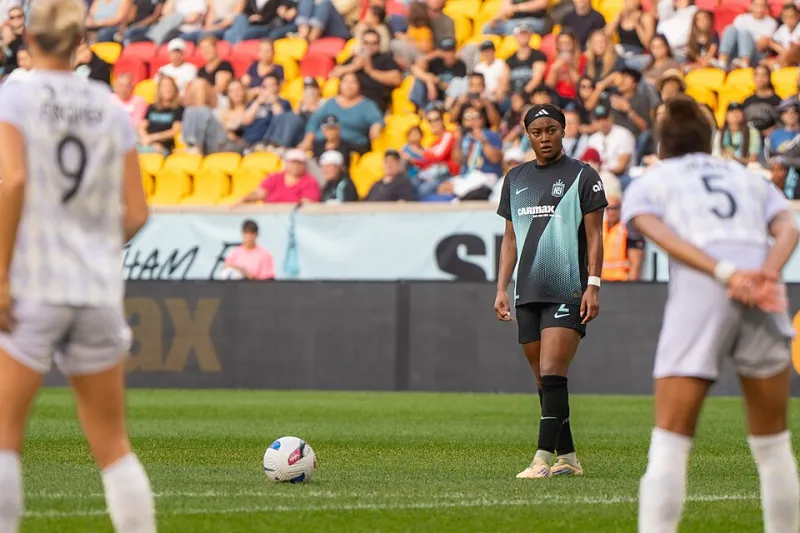
Photo: Bryan Berlin, CC BY-SA 4.0, via Wikimedia Commons
There's a moment that keeps getting replayed in living rooms, sports bars, and youth soccer sidelines all across the United States. An American kid — one who grew up watching the Premier League from a time zone that demanded early alarms and cold coffee — pulls on an Arsenal shirt and steps onto one of the most watched stages in global sport. For millions of American fans, that image isn't just exciting. It's genuinely transformative.
For decades, soccer in the US carried a certain ceiling in the cultural imagination. It was the sport you played as a kid, maybe followed through the World Cup, but eventually swapped for football, basketball, or baseball. The idea that an American could not just participate but thrive at a club like Arsenal? That felt like someone else's story. Lately, though, that narrative is being rewritten in real time.
What It Means to See Yourself in the Shirt
Talk to Arsenal supporters across the American heartland and you'll hear a common thread. When a player from the United States wears the cannon on their chest and earns their place in a starting lineup that competes for Premier League titles and Champions League nights, something shifts.
"It makes it feel real," says Marcus, a 34-year-old supporter and longtime member of an Arsenal supporters club in Columbus, Ohio. "Growing up, the Premier League felt like something that happened to other countries. Now there's a guy from the US out there proving he belongs. That hits different."
That sense of validation echoes across fan communities from Portland to Pittsburgh. It's not tribalism, exactly — Arsenal supporters in America were already deeply invested long before any American player signed. But representation adds a layer of emotional connection that accelerates everything. Merchandise flies off shelves. Match viewership spikes locally. And perhaps most importantly, kids start paying attention.
The Youth Ripple Effect
Coaches and club directors at youth academies in cities with ties to American Arsenal players have noticed something interesting: registration numbers trend upward, and the quality of conversation about the game changes. Kids aren't just asking to play anymore — they're asking how to play at the highest level.
In suburban areas where a local product has gone on to represent a club like Arsenal, the effect is almost gravitational. Youth programs report increased interest in technical development camps, goalkeeper coaching, and positional training — the kinds of specialized investment that used to feel reserved for families with European connections or access to elite academies.
"When a kid from your town makes it to the Premier League, suddenly the path feels less impossible," notes one youth academy director in the Mid-Atlantic region who preferred not to be named. "Parents are asking different questions. Players are setting different goals. The ceiling just got raised."
That ceiling-raising matters enormously in a country where soccer has long battled for cultural real estate against the NFL, NBA, and MLB. Every American kid who sees someone who looks like them, who grew up in a similar environment, succeeding at Arsenal is a data point that rewires the possible.
College Recruitment and the Global Lens
The ripple doesn't stop at youth leagues. College soccer programs — particularly those with strong developmental pipelines — are recalibrating how they pitch prospective recruits. The conversation used to center on the college experience as a destination. Increasingly, coaches are framing it as a launchpad, and Arsenal's track record with American talent is part of that pitch.
Collegiate scouts and coaches are watching closely as the Premier League's appetite for American players grows. The logic is straightforward: if top European clubs are scouting American talent, then the college pathway needs to position itself as a legitimate feeder into that ecosystem, not a detour away from it.
"We're seeing recruits come in with a completely different frame of reference," says a Division I assistant coach based in the Southeast. "They're not just dreaming about MLS anymore. They're watching Premier League tape and saying, 'That's where I want to be.' Arsenal having Americans in the squad makes that conversation a lot easier to have."
Community as the Connective Tissue
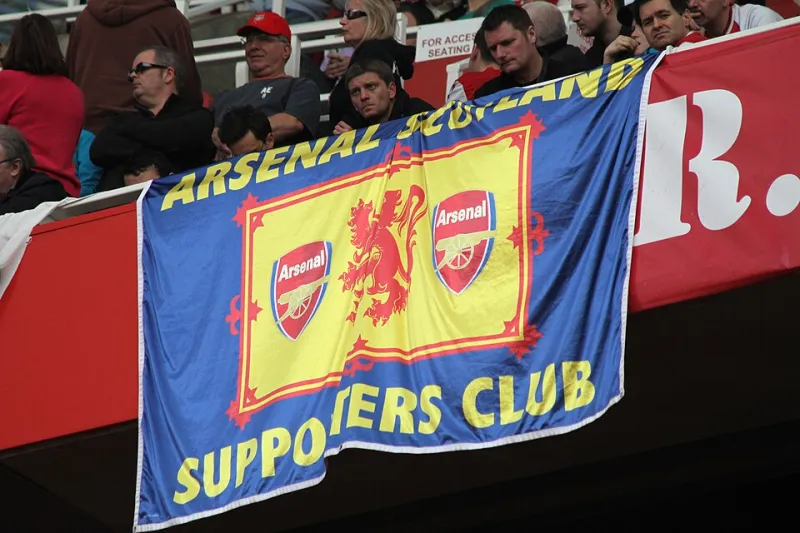
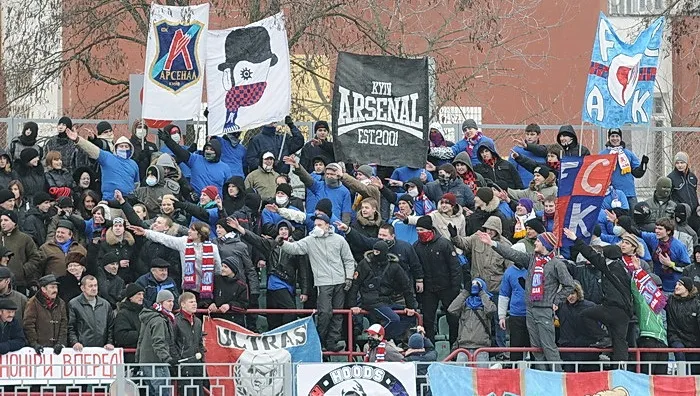
None of this happens in a vacuum. The Arsenal supporter community in the US has spent years building the kind of grassroots infrastructure that amplifies these moments. Supporters clubs, watch parties, online communities — they all become louder, more vibrant, and more welcoming every time an American player does something memorable in a red and white shirt.
For many fans, the local supporters club is where the national story gets personal. It's where a third-grade soccer player drags her dad to watch a match because she heard that an American is starting, and it's where that dad ends up buying a scarf and checking the fixture schedule for next week.
That's the real story. Not just the goals or the assists, but the chain reaction of inspiration and community that follows. American Arsenal players aren't just performing on a global stage — they're quietly, steadily changing what soccer means in the towns and cities that raised them. And from where we're standing at Gunner Stahl, that's one of the most exciting developments in US soccer culture right now.
The cannon has always pointed forward. These days, it's pointing home, too.